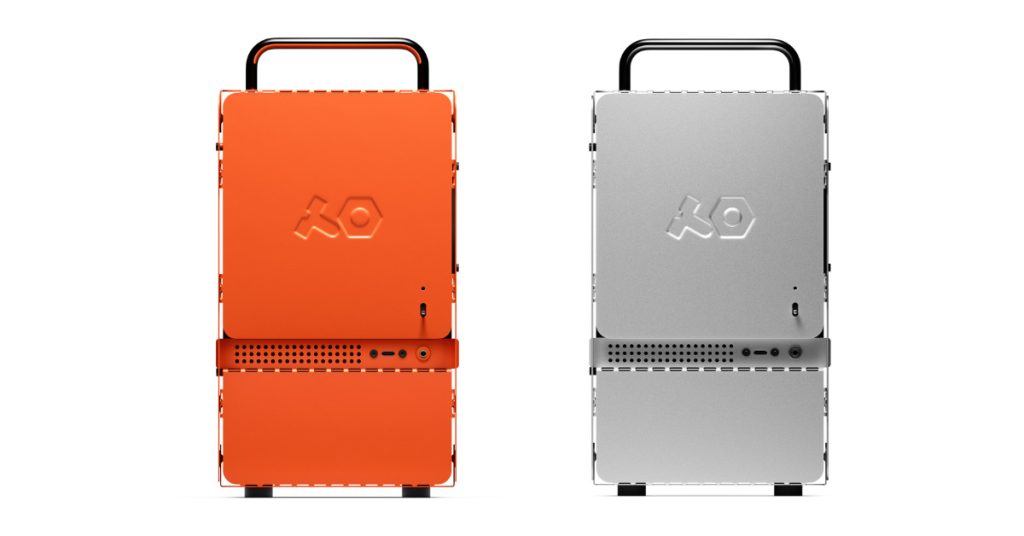
There are plenty of PC cases that promise better airflow, more RGB lighting, or bigger GPU support. But every once in a while, something appears that isn’t trying to compete on specs alone — it’s trying to be interesting.
The Teenage Engineering Computer‑1 Aluminum is exactly that.
Instead of another mass-produced tower, this compact case arrives as a flat-pack kit you assemble yourself, made from folded aluminum panels. It’s part PC component, part industrial design project — and if you enjoy building things as much as using them, it’s one of the most distinctive small-form-factor cases you can buy right now.
Let’s take a closer look at what makes it different.
What Is the Teenage Engineering Computer-1?
The Computer-1 is a mini-ITX PC case designed by Swedish design studio Teenage Engineering, a company better known for its beautifully engineered synthesizers and audio hardware.
Instead of creating a conventional chassis, they approached it more like a design object.
The case ships as flat aluminum sheets and hardware, which you bend and assemble into the final structure yourself — a process the company jokingly describes as “think twice, bend once.”
The result is a compact PC enclosure that feels somewhere between DIY furniture and boutique hardware.
The Design Philosophy: Build It Yourself
One of the defining features of the Computer-1 is its flat-pack construction.
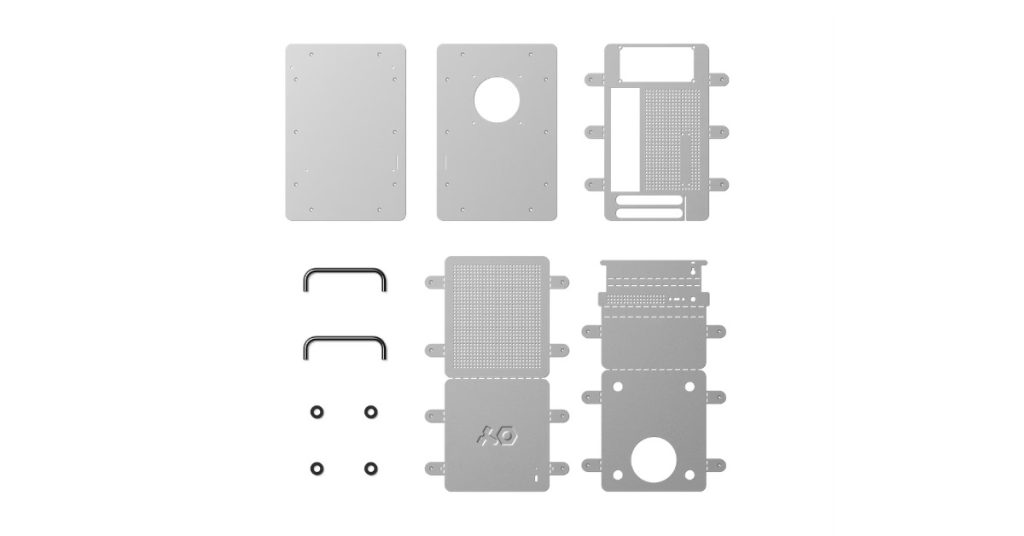
Each kit includes the aluminum panels, screws, and structural pieces required to assemble the case. The builder performs the final bends and assembly, turning a pile of sheet metal into a functioning chassis.
This approach offers a few unique advantages:
1. It’s genuinely fun to build
Unlike typical cases where everything is pre-assembled, this one feels like a creative project.
2. It fits the maker culture
PC builders already enjoy customizing their systems — the Computer-1 extends that philosophy to the case itself.
3. It’s visually distinctive
Once assembled, the folded aluminum panels create an industrial aesthetic that looks more like modern design furniture than traditional PC hardware.
Compact, But Surprisingly Capable
Despite its artistic approach, the Computer-1 is still a fully functional mini-ITX case.
Here are the key specifications.
Core Compatibility
- Motherboard: Mini-ITX
- Power Supply: SFX format
- GPU Support: Dual-slot up to 180 mm
- CPU Cooler Height: Up to 120 mm
- Material: Aluminum construction
These limitations mean it’s not meant for huge gaming GPUs — but that’s exactly the point.
This case is designed for compact productivity builds, development machines, and minimalist desktops.
A Truly Small Desktop Footprint
One of the biggest appeals of the Computer-1 is its tiny desk footprint.
The case measures roughly:
- 170 mm wide
- 190 mm deep
- 322 mm tall with handles
That makes it far smaller than a traditional tower while still leaving room for a respectable CPU, GPU, and storage setup.
For people who prefer clean, minimal desks, this design makes a lot of sense.
Aluminum Finish: Minimalism Done Right
Originally released in a bold RAL 2004 orange, the Computer-1 now comes in a sleek anodized aluminum version.
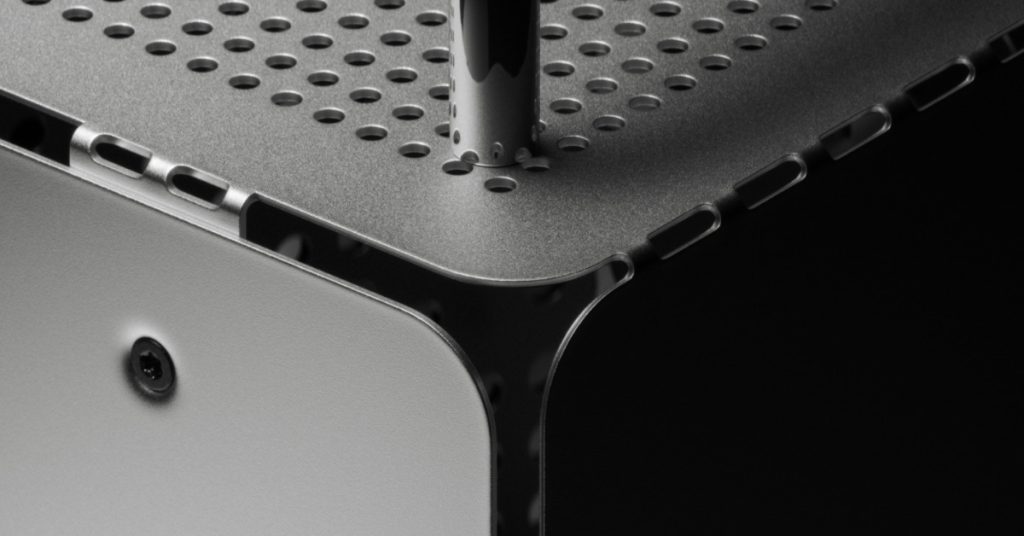
This finish changes the personality of the case completely.
The aluminum model feels:
- more minimalist
- more industrial
- more at home in modern workspaces
If your desk aesthetic leans toward Scandinavian minimalism or studio design, the aluminum version is the one to get.
The Reality: Who This Case Is (and Isn’t) For
The Computer-1 is not trying to be the most practical PC case.
It’s trying to be the most interesting one.
Pros
- Unique DIY flat-pack build experience
- Premium aluminum construction
- Tiny footprint perfect for small desks
- Distinctive industrial design
Cons
- Limited GPU length (180 mm max)
- Cooling options are more restricted than typical cases
- Assembly requires patience and careful bending
In other words: this is a builder’s case, not a beginner’s one.
Real-World Builder Experience
Many small-form-factor enthusiasts say the experience of assembling the case is both stressful and rewarding.
One PC builder described the process as:
That sentiment captures the Computer-1 perfectly.
It’s not the easiest case to build — but the final result feels uniquely yours.
Best For
The Computer-1 aluminum case is ideal for:
- Design-focused PC setups
- Minimalist desks
- Developers and creators
- DIY enthusiasts
- Small-form-factor PC builds
It’s less ideal for:
- Maximum gaming performance
- Large GPUs
- People who want a quick plug-and-play build
Final Verdict: A PC Case That Feels Like a Design Project
Most PC cases are purely functional.
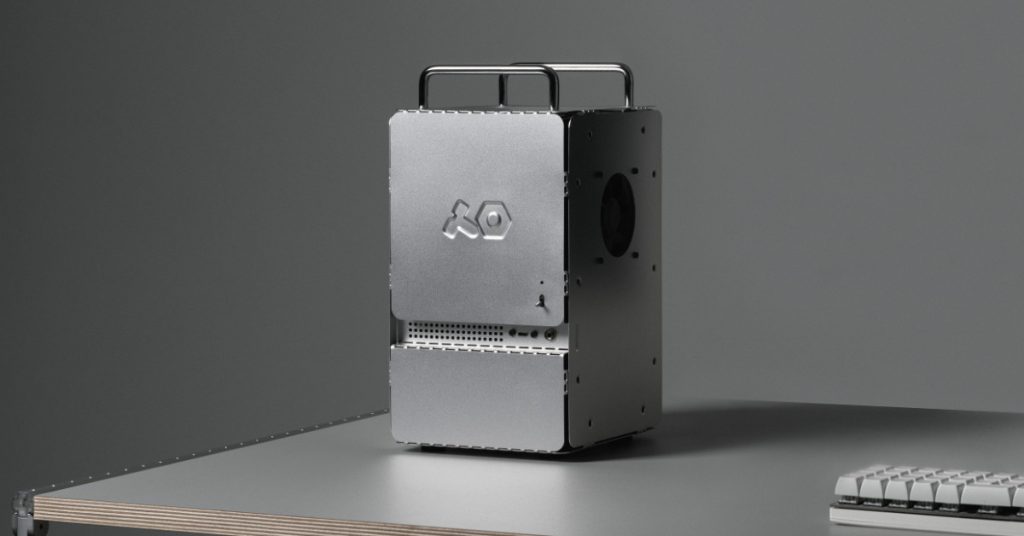
The Teenage Engineering Computer-1 is something different — a blend of hardware, industrial design, and DIY creativity.
It won’t win airflow benchmarks or fit the latest triple-fan GPUs. But if you value design, compactness, and the joy of building something yourself, it’s one of the most unique PC cases on the market today.
Sometimes the best hardware isn’t just about performance.
Sometimes it’s about having something on your desk that makes you smile every time you look at it.