There’s a certain moment in tech when a brand releases the “practical” version of a flagship—and it ends up being the one most people should actually buy.
Editorial Note: Viraveer is reader-supported. When you buy through links on our site, we may earn an affiliate commission at no additional cost to you.
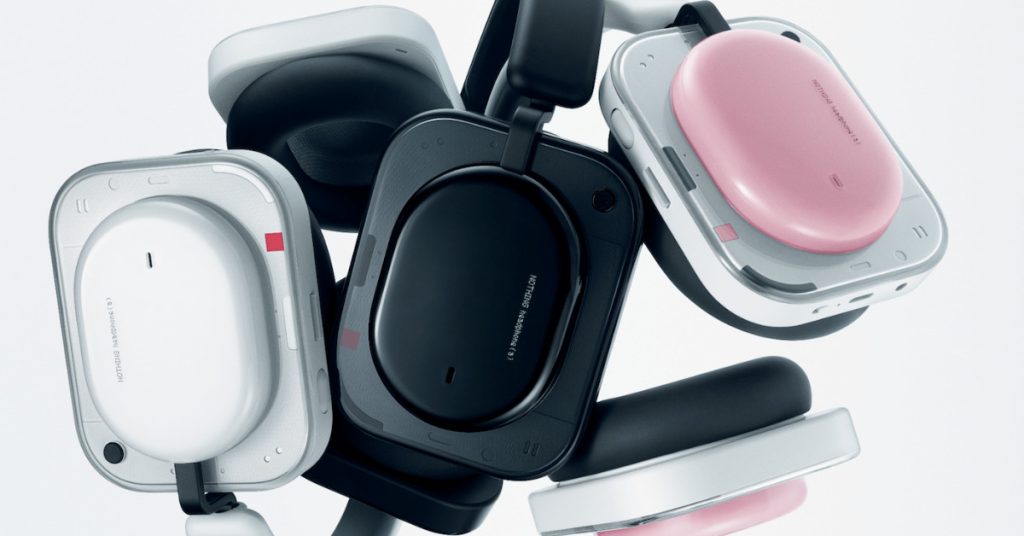
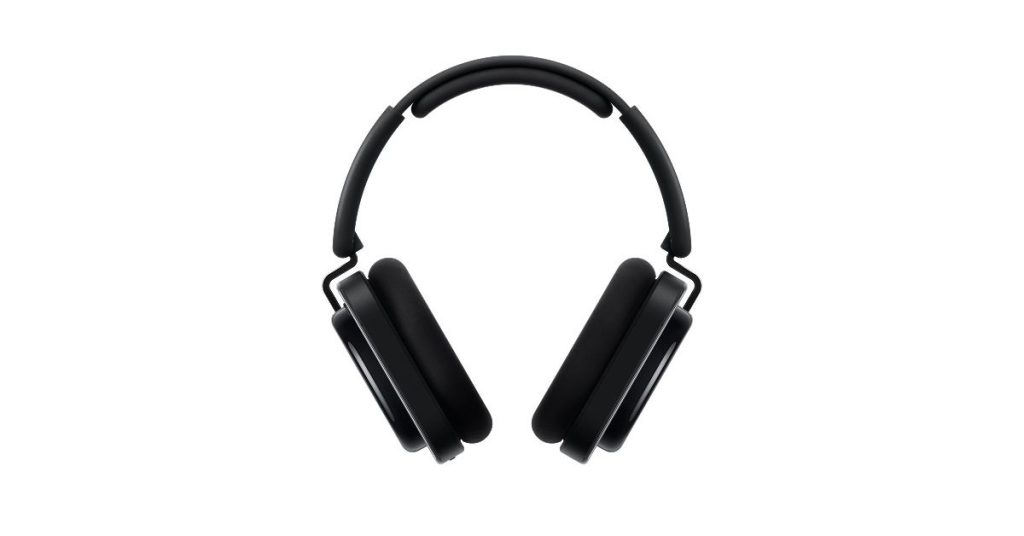
That’s essentially the story behind Nothing Headphone (a), the second-generation over-ear wireless headphones from Nothing. Positioned as the more affordable sibling to Nothing Headphone (1), this model keeps the brand’s distinctive design and personality but trims the price down to a far more approachable level.
At around $199 / £149 / €159, Headphone (a) lands squarely in the crowded mid-range ANC headphone market. Yet early reviews suggest it punches well above its weight thanks to strong battery life, engaging sound tuning, and practical everyday features.
For many people, this might be the sweet spot in Nothing’s audio lineup.
Release Date, Price, and Availability
Nothing officially unveiled Nothing Headphone (a) in early March 2026, with retail availability beginning 13 March 2026 across major markets.
Launch pricing
- $199 (United States)
- £149 (United Kingdom)
- €159 (Europe)
- ~₹17,000–₹18,000 equivalent in India
This pricing places the headphones at roughly half the original launch price of Headphone (1), making them a much more accessible option for buyers who liked the design but not the premium price tag.
Design: Nothing’s Signature Look, Slightly Toned Down
If you’re familiar with Nothing products, you’ll recognize the aesthetic immediately.
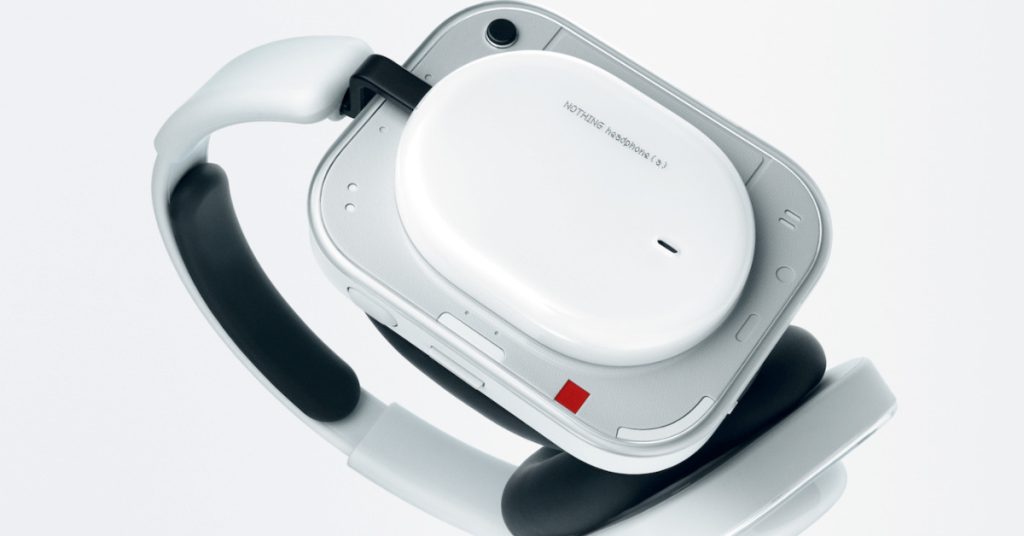
Headphone (a) retains the brand’s industrial, slightly transparent design language, though it’s a bit less extreme than the original model. The large oval earcups feel bold without looking overly experimental, which makes them easier to recommend to a broader audience.
Available colors include:
- Black
- White
- Pink
- Yellow
Depending on the market, some regions may see additional color options.
Comfort also appears to be improved compared to the first generation. The headband and ear cushions are thick, well-padded, and designed for long listening sessions, although at around 310 grams, these are still on the heavier side compared with some competitors.
Core Specs and Features
For a mid-range headphone, the feature list is surprisingly robust.
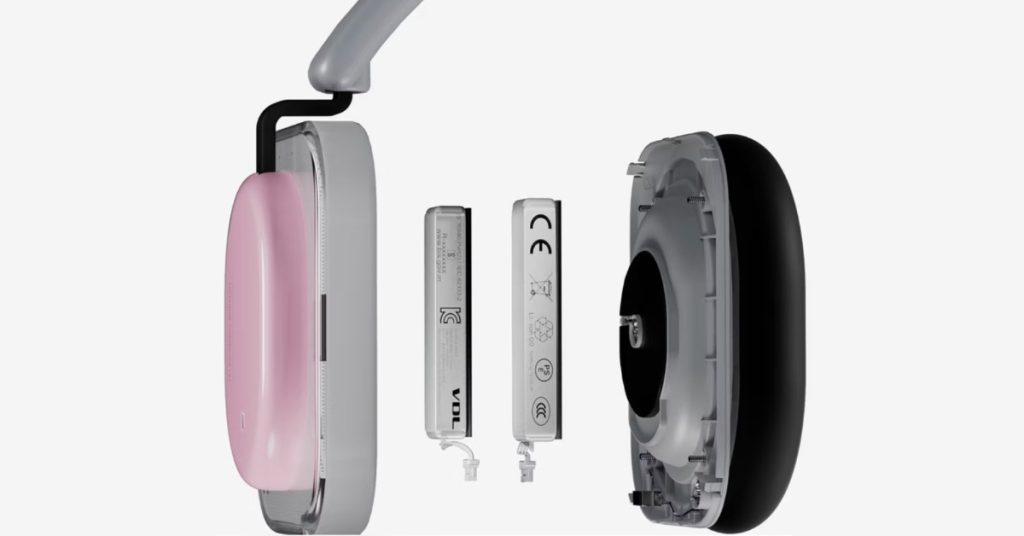
Key specifications
- Driver: 40 mm dynamic driver
- Bluetooth: 5.4
- Codec support: LDAC and standard Bluetooth codecs
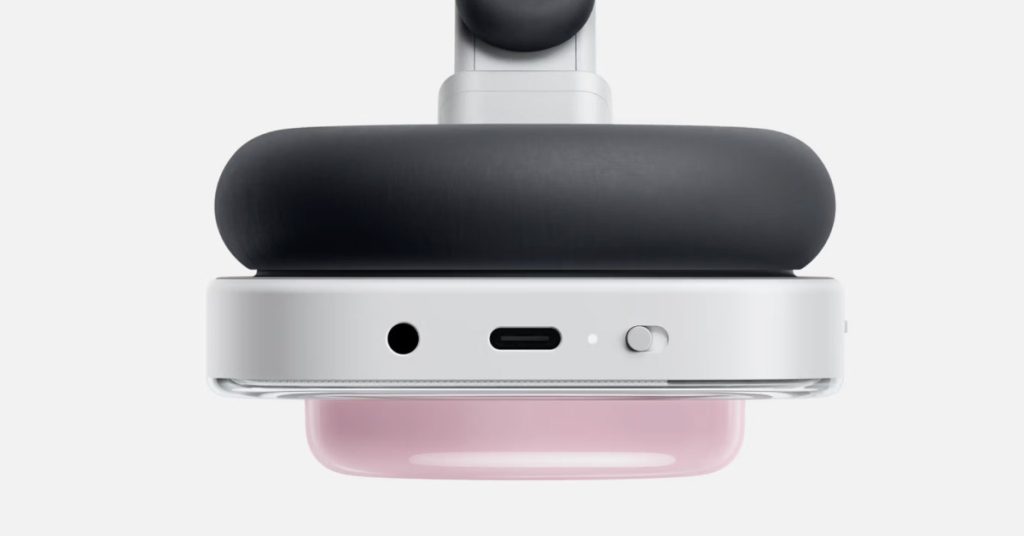
- Wired options: USB-C audio and 3.5 mm headphone jack
- Frequency response: 20 Hz – 40 kHz
- Water resistance: IP52 (sweat and splash resistant)
- Weight: ~310 g
Nothing has also kept its unique mechanical “Roller and Paddle” controls on the earcups. Instead of relying entirely on touch gestures, these tactile controls allow you to adjust volume, skip tracks, or change noise-cancellation modes more precisely.
It’s a small detail, but one that many users prefer over swipe-based controls.
Battery Life That Borders on Ridiculous
One of the standout specs is battery life.
According to Nothing’s internal testing, Headphone (a) can deliver up to 135 hours of playback with ANC off at 50% volume. Even if real-world usage falls short of that number, it’s still significantly longer than most competitors in this category.
Fast charging is also impressive:
- 5 minutes of charge = up to 8 hours of playback (ANC off)
For travelers or commuters, that kind of quick top-up can make a real difference.
Noise Cancellation and Transparency Mode
The headphones feature adaptive active noise cancellation (ANC) along with a transparency mode that lets outside sound in when needed.
Reviews so far describe the ANC performance as:
- Very good for commuting
- Effective against office noise
- Not quite at flagship levels like premium Bose or Sony models
However, considering the price point, the consensus is that Nothing Headphone (a) delivers excellent value in the ANC department.
Sound Quality: Fun, Energetic, and Easy to Enjoy
Sound tuning is where Headphone (a) seems to stand out the most.
The overall sound signature is often described as:
- Warm and energetic
- Punchy bass
- Balanced mids
- Detailed but not overly analytical highs
In other words, they’re designed to be fun rather than clinical, making them a great match for genres like pop, electronic, hip-hop, and rock.
Interestingly, some reviewers say the headphones feel more lively and spacious than Headphone (1), even though the premium model had more audiophile-focused tuning.
App Features and Connectivity
The headphones work with the Nothing X companion app for both iOS and Android.
Inside the app you can:
- Adjust custom EQ settings
- Control ANC levels
- Toggle transparency mode
- Remap button functions
- Install firmware updates
The headphones also support Bluetooth multipoint, allowing them to connect to two devices simultaneously—for example, switching automatically between your laptop and smartphone.
Headphone (a) vs Headphone (1)
Here’s the quick comparison between Nothing’s two over-ear models.
| Feature | Headphone (a) | Headphone (1) |
|---|---|---|
| Launch price | ~$199 | ~$299 |
| Drivers | 40 mm dynamic | 40 mm dynamic (KEF-tuned) |
| Battery life | Up to 135 hours | Up to ~80 hours |
| Bluetooth | 5.4 | 5.3 |
| Weight | ~310 g | ~329 g |
| Target audience | Value-focused buyers | Premium headphone buyers |
The key difference is simple: Headphone (a) focuses on practical features and battery life, while Headphone (1) leans more into premium audio tuning and flagship positioning.
Who Should Buy Nothing Headphone (a)?
These headphones make a lot of sense if you want:
- A distinctive design that doesn’t look like every other headphone
- Excellent battery life
- Solid ANC for commuting or work
- A fun, energetic sound profile
- A mid-range price under $200
If you’re chasing absolute top-tier noise cancellation or audiophile-grade tuning, higher-end models may still win. But for everyday listening, Headphone (a) feels like a well-judged balance between style, performance, and price.
The Verdict
The Nothing Headphone (a) might be the most sensible product the company has released yet.
It keeps the design identity that made Nothing famous, adds practical features most people actually use, and undercuts the premium model by a significant margin. The result is a pair of headphones that feels far more approachable—without sacrificing personality.
For a brand known for bold design experiments, this might actually be its most mainstream success so far.